Bingo Across Generations: How Age Shapes the Game’s Appeal


Bingo Across Generations: How Age Shapes the Game’s Appeal
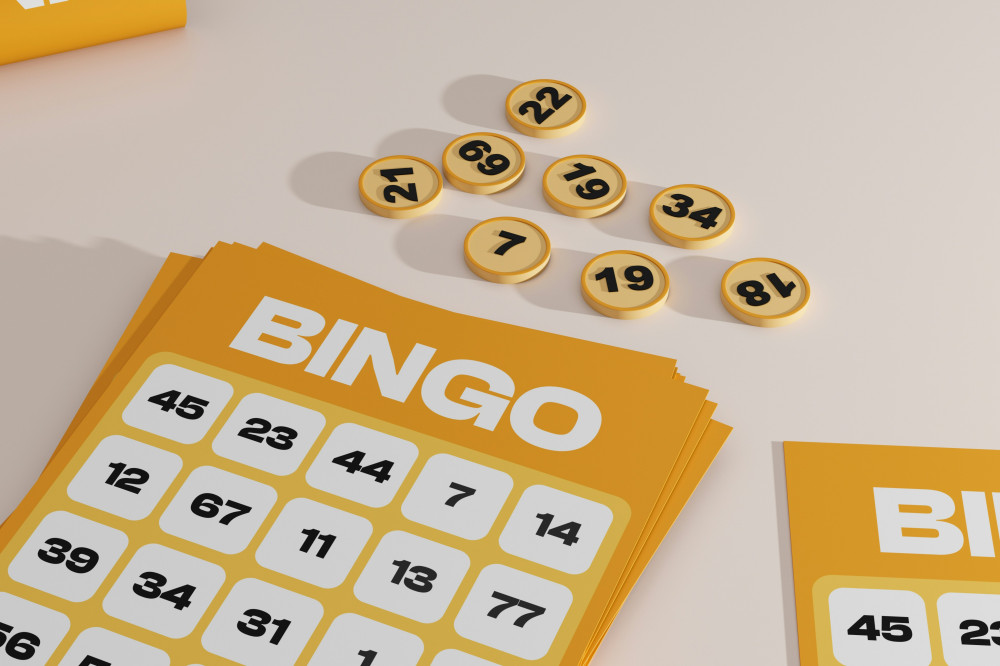
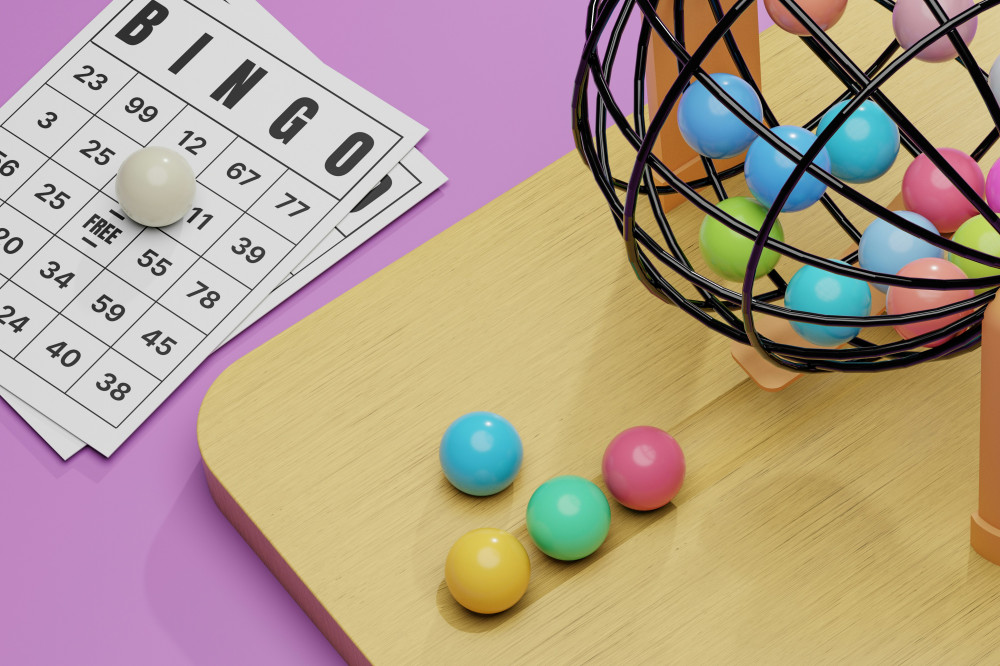
Bingo might seem like a simple game: numbers are called, cards are marked, and excitement builds until someone shouts “Bingo!”. Yet behind the numbered squares lies a pastime that has travelled through generations, adapting to the times and the people who play it. For some, it’s a cherished social ritual; for others, a nostalgic throwback or a fresh form of entertainment. Bingo’s enduring charm lies in how it changes with us.
A Game with Deep Roots in Kiwi Culture
Bingo’s origins stretch back centuries, but in New Zealand it found a home in community halls, RSA clubs, and church fundraisers. Especially from the mid-20th century onwards, bingo nights became a familiar part of local life. They weren’t just about winning a meat pack or a grocery voucher – they were about connection. The laughter, the friendly competition, and the shared anticipation created a rhythm that many Kiwis still remember fondly.
For older generations, bingo is tied to a sense of belonging. It’s the comfort of familiar faces, the smell of instant coffee and sausage rolls, and the gentle buzz of conversation before the first number is called. The game offers a space where time slows down and community takes centre stage.
The Younger Generation’s Bingo Revival
In recent years, bingo has made a surprising comeback among younger New Zealanders – but in new and creative forms. “Drag bingo,” “music bingo,” and themed events in pubs and student bars have turned the traditional game into a lively night out. Here, it’s less about the prizes and more about the experience. Music, humour, and social energy drive the fun, making bingo a modern social event that bridges nostalgia and novelty.
For many young players, bingo is a playful nod to the past. Where their grandparents might have sat in a community hall with a pen and paper, today’s players tap their screens or wave glow sticks between rounds. The essence of the game remains, but the atmosphere and purpose have evolved.
A Meeting Point Between Generations
One of bingo’s greatest strengths is its ability to bring people together across ages. The rules are simple, and luck levels the playing field. Families can gather around the same table, and everyone – from children to grandparents – can join in. In a world where entertainment often divides by age, bingo remains one of the few activities that unites.
When a grandparent and grandchild sit side by side, each with their own card, something special happens. The game becomes a shared moment, a bridge between generations where laughter and anticipation replace age differences. That’s the quiet magic of bingo – it connects people through simple joy.
Læs også:

From Halls to Screens – The Digital Shift
Technology has transformed how Kiwis play bingo. Online platforms and mobile apps now allow players to join games from home or on the go. For some older players, this shift has been a challenge; for others, it’s a welcome way to stay connected with friends and family, especially across distances. Many online bingo sites include chat features, recreating the friendly banter of a local hall in a digital space.
For younger players, digital bingo fits naturally into their lifestyle. It’s a quick, fun break during a busy day – a small burst of excitement that still carries a sense of community, even through a screen.
Why Age Matters
Age shapes how we experience bingo because it reflects what we value at different stages of life. For older players, it’s about tradition, familiarity, and companionship. For younger ones, it’s about energy, creativity, and shared experiences. Yet for both, the heart of bingo remains the same: the joy of being part of something together.
Bingo, in the end, is more than a game. It’s a reflection of life’s rhythms – from youthful playfulness to the calm of later years. No matter where you are in life, there’s a place for you at the bingo table, waiting for that moment when the numbers align and the room erupts in laughter.
Læs også: