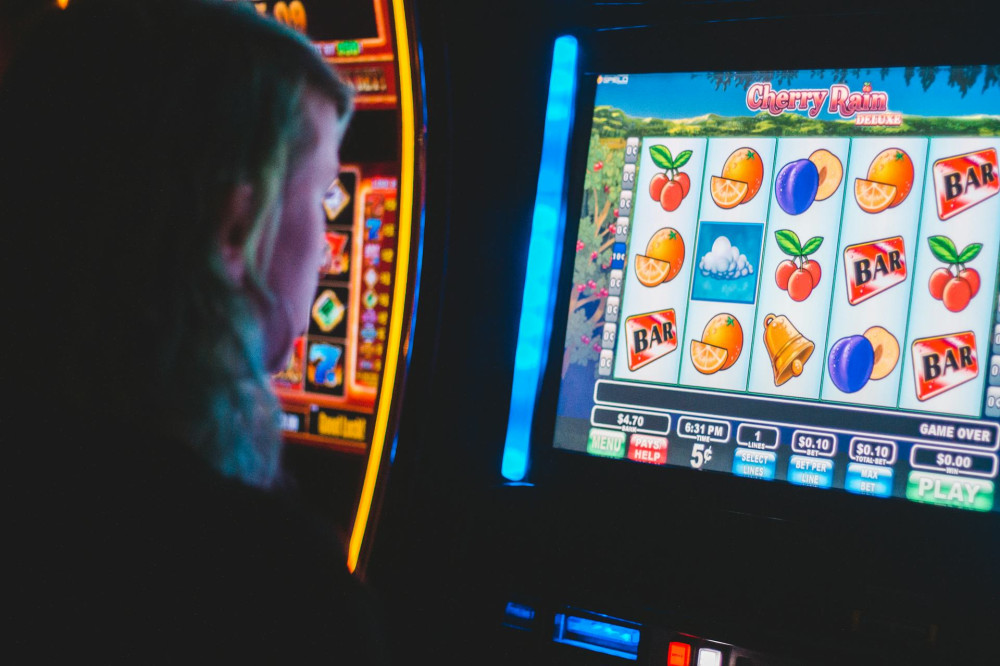
Plan your gaming sessions with the optimal betting level


Plan your gaming sessions with the optimal betting level
Playing online slots or other casino games can be exciting and entertaining – but it can also get out of hand if you don’t keep track of your spending and playing time. Having a clear plan for how much you play for, and how long you play at a time, can make the experience more enjoyable and responsible. Here’s a guide to help you plan your gaming sessions with the optimal betting level.
Know your budget – and stick to it
The first step towards a good gaming session is setting a clear budget. It’s not just about how much you want to play for, but also about what you can realistically afford to lose. Gambling should be entertainment – not a way to make money.
- Set a fixed amount per week or month that you can spend on gaming.
- Only use money you can afford to lose, and never play with funds meant for bills or other essentials.
- Keep track of your time – many platforms allow you to set time limits so you don’t play longer than planned.
By managing your budget, you can play with peace of mind and avoid unpleasant surprises.
Find your optimal betting level
Your optimal betting level depends on several factors: your budget, the game’s volatility, and how long you want your session to last.
- Low bets, longer playtime: If you want to play for a while and enjoy the entertainment, choose a lower bet per spin. This gives you more rounds and a more relaxed experience.
- Higher bets, higher risk: If you prefer shorter, more intense sessions, you can go for higher bets – but remember that the risk of quick losses also increases.
- Adjust your bets as you go: Many players change their bet size depending on how the game is going. This can be a good strategy, as long as you stay within your overall budget.
A good rule of thumb is to find a level where you feel you’re getting the most enjoyment – both in excitement and playtime.
Plan your gaming sessions
Just like any other leisure activity, planning can make the experience better. Think about when and how long you want to play, and make it part of your routine.
- Play when you’re relaxed and focused. Avoid playing when you’re tired, stressed, or under the influence.
- Take breaks. Short breaks help you stay in control and enjoy the game more.
- Stop when you reach your limit. Whether it’s a set time, number of spins, or amount spent – stick to your plan.
By structuring your sessions, you’ll have a more controlled and positive experience.
Understand the game mechanics
Different games have different payout percentages (RTP) and volatility levels. It’s worth understanding these terms before deciding how much to bet.
- RTP (Return to Player) shows the average percentage of total bets that are paid back to players over time.
- Volatility describes how often and how big the wins typically are. Low volatility means frequent, smaller wins, while high volatility means rarer but larger wins.
Choosing games that match your playing style and budget can help you get more out of your sessions.
Play responsibly – and know the signs
While gaming can be fun, it’s important to stay aware of how it affects you. If you notice that gambling starts taking up too much of your time or you’re chasing losses, it’s time to take a break.
Most licensed gaming sites in New Zealand offer responsible gambling tools such as deposit limits, self-exclusion, and reality checks. Use them – they’re there to help you stay in control. You can also reach out to Gambling Helpline New Zealand (0800 654 655) for free, confidential support if you ever feel things are getting out of hand.
Læs også:



Make gaming a positive experience
Planning your gaming sessions isn’t about removing spontaneity – it’s about creating boundaries that make the experience more enjoyable and balanced. When you know your budget, choose the right bet size, and play mindfully, you’ll have an experience that’s both entertaining and responsible.
Gaming should be fun – not stressful. With the right planning, you can enjoy the thrill without it affecting your finances or your everyday life.
Læs også: