Poker Etiquette: Good Behaviour Creates Better Gaming Experiences

Poker Etiquette: Good Behaviour Creates Better Gaming Experiences
Poker isn’t just about cards, strategy, and luck – it’s also about people. Whether you’re playing at SkyCity Auckland, in a friendly home game, or online, good behaviour is a key part of the experience. Poker etiquette doesn’t just make the game more enjoyable; it also helps create fairness, respect, and a better atmosphere for everyone. Here’s a guide to the unwritten rules that make you a better player – both socially and strategically.
Respect the Game and the Players
The first rule of poker etiquette is respect. Respect for the game means following the rules, playing honestly, and treating the game seriously. Respect for other players means being courteous, regardless of whether you’re winning or losing.
Avoid mocking opponents, commenting on their play, or celebrating your wins too loudly. Poker can be emotional, and even small remarks can sour the mood. A simple “nice hand” or a friendly nod is often enough to show good sportsmanship.
Act Only When It’s Your Turn
One of the most common mistakes – especially among newer players – is acting or speaking out of turn. Doing so can confuse others and give away information that affects the hand. Always wait until it’s your turn to act, and avoid revealing anything about your cards through body language or chatter.
The same applies online: don’t click too quickly or type in the chat while others are still deciding. Patience keeps the game fair and flowing smoothly.
Keep Your Cards and Chips in Order
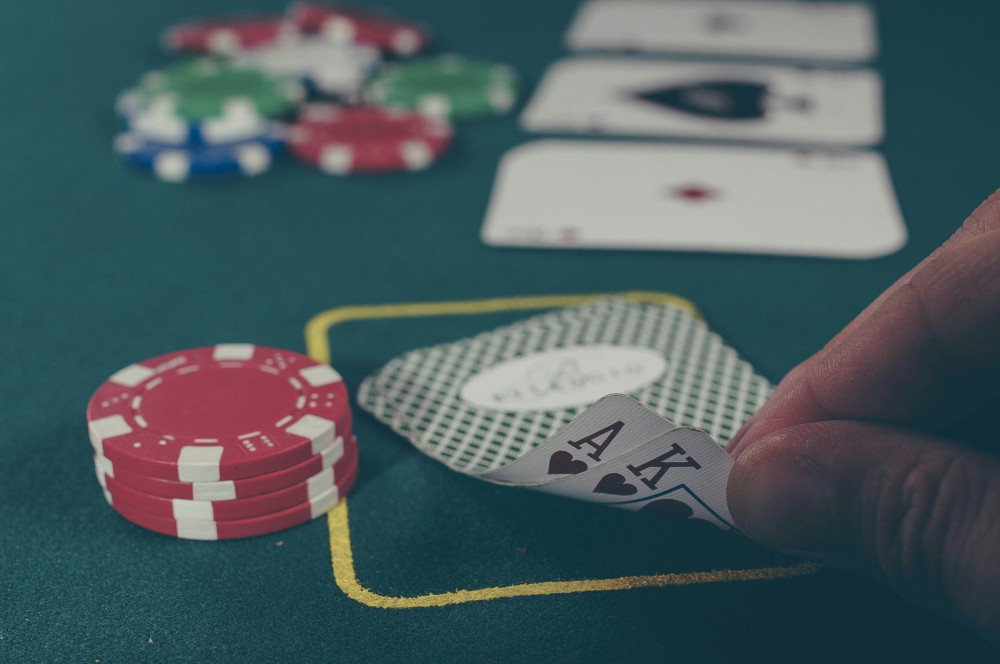
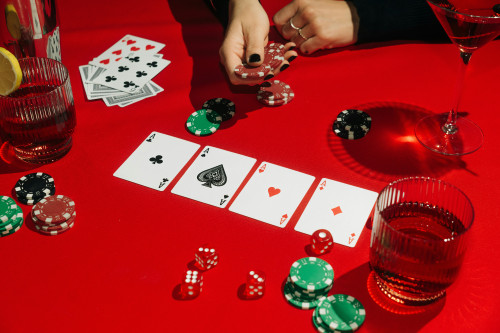
At a live table, it’s good form to keep your cards close and protect them with a chip or card guard. This prevents misunderstandings and shows that you’re paying attention. Avoid fiddling with your chips or stacking them noisily while others are playing – it can be distracting.
When you win a pot, collect your chips calmly and without fuss. It shows confidence and respect for the rhythm of the game.
Avoid “Slow Rolling” and Unnecessary Drama
Few things irritate players more than a slow roll – when someone delays showing a winning hand even though the outcome is obvious. It can come across as taunting and creates bad feelings. When you know you’ve won, reveal your cards promptly.
The same goes for unnecessary theatrics: slamming cards down, sighing loudly, or commenting on every hand. Poker rewards calm focus – both for your own performance and for the enjoyment of others.
Lose with Grace – Win with Humility
No one wins every time. Losing with grace is one of the most respected traits in poker. Don’t blame bad luck or accuse others of poor play. It doesn’t make you look better – quite the opposite.
When you win, be humble. A modest winner earns far more respect than one who gloats. Remember, the cards can turn quickly, and next time you might be the one on the losing end.
Læs også:

Online Poker – Etiquette Behind the Screen
Even when you’re playing from home, the same principles apply. Don’t post rude comments in the chat, and never reveal your cards or discuss a hand that’s still in progress. It’s poor form and can influence the outcome unfairly.
Also, play at a pace that suits the table. Taking too long on every decision can frustrate others, but rushing players who need time to think is equally bad manners. Balance and awareness are key.
Creating a Good Atmosphere in Home Games
In New Zealand, home poker nights are as much about mateship as competition. Make sure everyone knows the rules before you start, and keep the mood friendly – even when the stakes rise. A good host sets the tone with fair play, humour, and a relaxed attitude.
Provide snacks, take short breaks, and agree on clear structures for blinds and buy-ins. These small touches help prevent tension and keep the evening enjoyable for everyone.
Good Etiquette Makes Better Games
Ultimately, poker etiquette is about creating an environment where everyone can enjoy the game. When you show respect, play fairly, and keep your cool, you don’t just make the table a better place – you become a better player yourself. Because poker isn’t only a game of cards; it’s a game of character.
Læs også: